
Dental bridges are a great way to replace missing teeth. Not only do they help to restore the appearance of your smile, but they also help to restore the functionality of your teeth, such as eating and speaking. However, it is important to take good care of your dental bridges to keep them in good condition. In this guide, Dr. Chad Ellis, DDS, will show you how to care for your fixed dental prosthesis so they remain in excellent condition for many years.
Taking care of your dental bridge is important, and it is similar to caring for your natural teeth. Whether you have a traditional fixed bridge or a more contemporary fixed partial denture, it is important to understand how they work and how to keep them in excellent condition. Here, you will learn more about the key points for caring for your dental bridge.
Understanding Dental Bridges and Their Uses
A dental bridge is a dental appliance used to replace a missing tooth. It is composed of crowns on the teeth on either side of the missing tooth, which are called abutment teeth. A fixed bridge is used to replace a missing tooth and restore the beauty of your smile. The fixed dental prosthesis fills the space where the tooth is missing with artificial teeth that look and feel like real teeth.
There are many uses for a dental bridge, including preventing tooth movement, improving chewing efficiency, and even improving speech. If you have a missing tooth, your teeth may shift out of position, leading to bite problems and other dental problems. A fixed dental prosthesis can prevent this by filling the space left by a missing tooth.
Kinds of Dental Bridges
There are different kinds of dental bridges in Greenbrier, and each has its own pros and cons. The most popular types of fixed bridges include traditional, cantilever, and Maryland bridges. Traditional bridges are the most popular and involve placing crowns on the teeth adjacent to the missing tooth, while Maryland bridges use a metal or porcelain framework bonded to the existing teeth. Cantilever bridges are used when there is only one tooth left adjacent to the missing tooth.
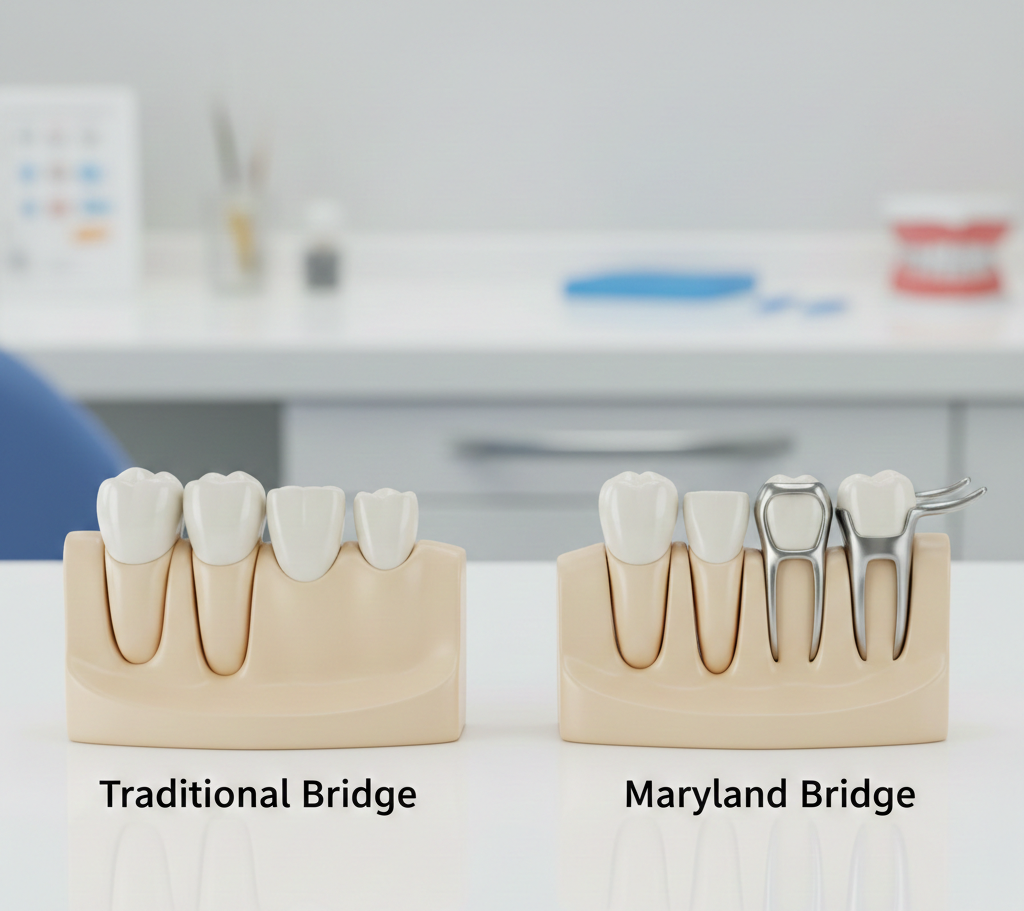
Dental Bridges: Restoring Function and Aesthetics of Missing Teeth
Before we move on to tips for caring for a fixed dental prosthesis, it is important to understand how a dental bridge works. Dental bridges are more than just a cosmetic solution to missing teeth. They are also an important part of restoring your teeth’s function and maintaining your facial structure. Fixed partial dentures not only improve the appearance of your smile but also ensure you can chew, speak, and maintain your dental health. Here’s how a fixed dental prosthesis works to restore functionality and aesthetics:
- Restores Chewing Function: Bridges help restore chewing function, ensuring your diet is not affected by tooth loss.
- Improves Speech: Teeth play an important role in speech. Missing teeth can hamper your speech. A fixed bridge helps in restoring your speech.
- Maintains Facial Structure: Missing teeth can cause the surrounding teeth to shift, altering the structure of your face. Bridges prevent this from happening and maintain your facial structure.
- Prevents the Sunken Look: Missing teeth can cause the jawbone to shrink, resulting in a sunken look. A fixed partial denture prevents this from happening and maintains the natural look of your face.
How a Bridge Fills a Missing Tooth
A bridge fills a missing tooth by “bridging” the space. The abutments on either side of the space are prepared to support the bridge, and the pontic replaces the space. This effectively fills the missing tooth, restoring its function and appearance. You can bite, chew, and speak with ease.
How to Care for Dental Bridges
Now that you know how fixed dental prosthesis work, it is time to learn how to care for dental bridges. By taking good care of your fixed dental prosthesis, you can make it last for many years and serve both functional and aesthetic purposes. Here are some of the most important steps that you can take to ensure that your fixed dental prosthesis lasts for a long time:

1. Brushing and Flossing Around the Dental Bridge
Just as you would with your natural teeth, it is important to keep your fixed dental prosthesis clean. Brush your fixed partial denture and teeth at least twice a day using a soft-bristle toothbrush. Be sure to use non-abrasive toothpaste to prevent damaging the surface of the fixed bridge.
Flossing is also important for removing food particles that may accumulate between your dental bridge and your natural teeth. However, flossing may not be sufficient to clean around a fixed partial denture. You may need to use a floss threader or orthodontic floss to ensure that the area between the fixed bridge and teeth is clean.
2. Steer Clear of Sticky and Hard Foods
Although dental bridges are quite durable, it is still important to avoid foods that can damage or dislodge them. Sticky foods, such as caramel or taffy, can adhere to your fixed partial denture, causing damage over time. Hard foods such as nuts or ice can also put excessive pressure on your fixed partial denture, causing it to crack or loosen. It is best to avoid biting hard foods with the side of your mouth that contains the fixed dental prosthesis.
3. Use a Mouthwash for Extra Protection
Using an antimicrobial mouthwash can help to prevent the buildup of plaque around your fixed bridge. Mouthwash can also help to keep your breath fresh and prevent gum disease. It is essential to select an alcohol-free mouthwash to prevent gum drying.
4. Regular Visits to Your Dentist
Visiting your dentist regularly is important to ensure that your bridge is in good condition. Your dentist will check your bridge for signs of wear, damage, or looseness. Your dentist can also clean around your bridge to prevent the buildup of plaque and tartar, which may not be removed by regular brushing and flossing. You should visit your dentist regularly every six months or as advised by Dr. Ellis.
5. Attend to Any Problems Promptly
People often wonder whether dental bridges hurt. If you notice any looseness, damage, or discomfort with your fixed partial denture, contact your dentist immediately. Neglecting to address problems may lead to more serious issues, such as damage to your bridge or even your teeth. If you are facing any pain or discomfort, it may be a sign that your bridge or your teeth need adjustment.
6. Use a Night Guard
If you grind your teeth at night, a night guard is a great way to prevent damage to your fixed partial denture. Grinding your teeth can put excessive pressure on your fixed bridge, causing it to loosen or even wear away.
The Lifespan of Dental Bridges
Dental bridges are long-lasting, but their lifespan depends on how well they are cared for. On average, dental bridges last 5 to 15 years when well cared for. The materials that are used in your fixed partial denture, such as porcelain or metal, also determine the lifespan of your fixed dental prosthesis.
Taking good care of your fixed partial denture will help it last as long as possible. Your dentist will check your fixed bridge and advise you on whether you need to replace it or make any adjustments.
How to Ensure Long-Term Stability with Dental Bridges
To ensure your fixed partial denture remains functional and stable, it is important to properly care for it. By following the dental bridge care guide provided by Dr. Ellis, you can ensure that your fixed dental prosthesis lasts for a long time, keeping your smile beautiful and your chewing function intact. To ensure your fixed partial denture lasts a long time, follow the steps outlined below.
If you have any questions or concerns about your fixed bridge, contact us to schedule an appointment at Greenbrier Dental Excellence. Dr. Ellis and our team are committed to ensuring that your dental bridge is in excellent condition.
Questions People Ask About Dental Bridges
- How long do dental bridges last?
Dental bridges typically last between 5 and 15 years. Their lifespan depends on factors such as the material, care routine, and oral health. Regular checkups help ensure longevity. - Do dental bridges hurt?
Dental bridges are not painful to wear, but some discomfort may occur after placement. Any soreness should subside within a few days. Contact your dentist if pain persists. - How do dental bridges work?
Dental bridges replace missing teeth by attaching artificial teeth to adjacent teeth, called abutments. They restore both appearance and function, allowing you to chew and speak properly. - What is a dental bridge made of?
Dental bridges can be made from various materials, including porcelain, gold, or a combination of the two. Porcelain is most popular due to its natural appearance, while gold is known for its durability. - Can I eat normally with a dental bridge?
Yes, you can eat normally with a dental bridge, but it’s recommended to avoid sticky or hard foods that could damage it. Proper care ensures its durability. - What are the types of dental bridges?
Common types of dental bridges include traditional, cantilever, and Maryland bridges. Your dentist will recommend the best option based on your oral health and needs.