
When a tooth is missing, you may notice differences in how you eat, speak, and feel about your appearance. For a long-term solution, dental implants are a popular choice. However, questions do arise about how smoking affects the healing process and eventual success. If you use tobacco, you might want to consider how it could impact your treatment before making this investment.
Life in Greenbrier is often filled with outdoor activities, community events, and family meals that require you to eat and speak comfortably. Understanding how smoking might impact the healing of dental implants in Greenbrier could make you feel more confident in your decision.
How Smoking Affects Healing After Implant Placement
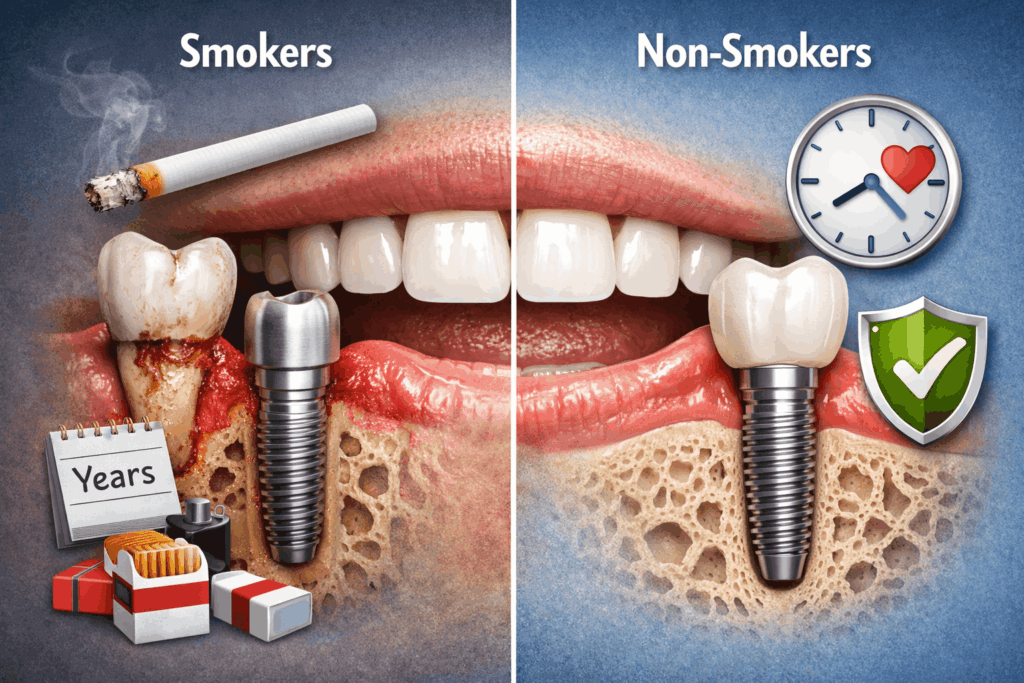
The first phase of an implant is the bonding between the implant and the jawbone. This process is known as osseointegration. When you smoke, there are certain biological impacts that hinder this process and reduce the healing ability of your body.
Blood flow is reduced by nicotine. When the body does not receive enough blood, nutrients, and oxygen cannot reach the site where the implant was placed, ultimately slowing healing and reducing the body’s ability to repair itself.
Also, tobacco harms your immune response by weakening the body’s ability to fight off bacteria. This makes infection much more likely.
What could happen when healing is impaired:
- A slower healing of tissues
- Higher probability of an infection
- Slower or no integration with the bone
- Increased risk of implant failure
The above points demonstrate the basic physiological reasons why an implant is less likely to be successful when a patient continues to smoke after surgery, compared to a non-smoker.
Success Rates In Smokers Vs Non-Smokers
Overall, dental implants in Greenbrier are very successful. Without other conditions, they typically last many years, but smoking may reduce these odds significantly. Smokers are more likely to face problems after implant surgery. However, this does not guarantee the implant will be unsuccessful.
Here are the influencing factors:
- The number of cigarettes the patient smokes
- How long the patient has smoked
- The state of the patient’s gums and bone
- How diligently the patient follows the post-operative instructions
Some individuals stop smoking around dental implant surgery, whether before, during, or after the operation, and they are less likely to have their implants fail. However, a temporary cessation is beneficial too, as it increases blood flow and thus healing capacity.
What Happens If You Continue Smoking After Surgery
Continuing to smoke during recovery adds stress to the implant and the tissues that are healing. The weeks following the operation are a crucial period during which the implant begins bonding with the bone. If you continue to smoke during this time, you may notice:
- Increased inflammation and pain
- Retardation in the healing of your gum tissue
- Signs of infection, such as increased pain, swelling, and discharge
- Loose or failed implant
The symptoms don’t always arise in the first few weeks; they could develop months later. Hence, it is important to attend follow-up appointments to identify problems that may not have been easily noticeable before.
Are You A Good Candidate For Implant Treatment?
Every patient has a unique condition and requires personalized treatment. A careful evaluation helps determine suitability for treatment.
People often ask, “Who is a good candidate for dental implants?” Here are a few factors to consider while searching for an answer to this question:
- Healthy gum tissue and absence of gum disease
- Sufficient bone to support the implant
- A commitment to good oral hygiene
- A readiness to follow post-surgery instructions
While smoking is a factor, it does not automatically preclude you from becoming a candidate. It requires close collaboration and an open dialogue with your implant dentist.
Patients who are prepared to make lifestyle changes while healing will typically have a more positive experience.
Bone Health and Long-Term Stability
It is very clear that a quality bone support structure is essential for long-term implant stability and success. Low bone mass may sometimes necessitate alternative options.
When patients are considering dental implants but have bone loss, one of the main questions is, “Can you get dental implants with bone loss?” This depends on how severe the bone loss is and how it can be overcome.
It is possible that treatments such as a bone graft or guided bone regeneration may overcome the bone loss and therefore will rebuild a support structure onto which the implant will bond, and this will also create an improved stability.
The effects of smoking on bone quality must also be taken into account; the body is less able to regenerate bone tissue and tolerate the grafting process. Timing and preliminary work are key.
Practical Steps To Improve Implant Success
Making the decision to quit smoking or reduce your cigarette consumption while considering dental implants, even minor changes, can have a considerable impact.
Focus your efforts on the following actions before and after the procedure:
- Refrain from smoking for a minimum of one to two weeks prior to surgery
- Avoid smoking entirely during the initial recuperation period
- Prioritize outstanding oral hygiene
- Keep all appointments for checkups and follow-ups
- Adhere strictly to your prescribed diet during healing
Each step will help expedite healing while simultaneously minimizing potential complications. Your implant dentist will provide specific advice based on your unique circumstances.
Daily Habits That Support Healing
In addition to not smoking, routine behaviors play a vital role in the recovery process. The key here is consistency, not intensity. Foster the healing process by incorporating the following habits into your daily routine:
- Brush regularly, but with a gentle touch
- Use your prescribed mouthwash consistently
- Maintain a good level of hydration
- Stick to softer foods in the early stages
- Ensure adequate sleep
In a town like Greenbrier, where community events and meals with friends are an integral part of life, deviating from your smoking routine for a brief period will offer invaluable benefits in the long run.

Signs You Should Not Ignore Post-Implant Placement
The more attentive you are, the earlier you can address potential issues. A slight suspicion is usually grounds for a consultation. You should watch for the following signs:
- Persistent pain that doesn’t subside after healing
- Swelling that continues to increase over time
- Bleeding that persists or worsens
- A sensation of implant movement
These signs don’t necessarily indicate complete implant failure. However, they require prompt assessment by a dental professional.
The Implant Dentist’s Role in Treatment Planning
Every implant patient has unique needs. Your implant dentist will review all your medical and dental history, along with any current habits and future plans, before formulating a personalized treatment plan.
The treatment process involves:
- A thorough review of your medical history
- Assessment of the health of your bone and gum tissues
- A frank discussion regarding your smoking habits
- The development of a recovery schedule designed to optimize healing
This collaborative approach ensures your expectations are managed in line with attainable results.
Moving Forward With Clarity And Confidence
An implant decision should be based on comprehensive information. At Greenbrier Dental Excellence, treatments are performed in an environment driven by clinical science and focused on the individual patient. Dr. Ellis takes the care to evaluate each specific circumstance and to clearly identify and set reasonable treatment expectations.
If you are considering treatment and/or have concerns about smoking or the healing process, a consultation will clearly provide you with the details that you need. Call us today to schedule an appointment, and our team will set you up for healthy, lasting oral health.
Questions People Ask About Dental Implants
- Can smokers still get dental implants successfully?
Yes, smokers can receive implants. Success depends on healing conditions and aftercare. Reducing or pausing smoking improves blood flow and lowers complications. Your implant dentist may recommend specific timelines to improve outcomes and closely monitor healing to ensure stability during recovery.
- How long should I stop smoking before implant surgery?
Most recommendations suggest stopping at least one to two weeks before surgery. This improves circulation and healing response. Continuing to avoid smoking after placement is equally important, as the first few weeks play a key role in how well the implant integrates with bone.
- Does smoking affect implant healing permanently?
Smoking mainly affects the healing phase, but long-term use can also impact gum and bone health. Even after successful placement, continued smoking may increase the risk of complications over time, including gum issues around the implant that can affect stability.
- Can dental implants fail years after placement due to smoking?
Yes, long-term smoking can contribute to late implant complications. Reduced bone support and gum inflammation may develop over time. Regular checkups and maintaining oral hygiene help detect issues early and protect the implant’s function for years.
- Are there alternatives if implants are not suitable for smokers?
Yes, alternatives like bridges or removable options may be considered. The choice depends on oral health and personal goals. Your implant dentist will explain available options and help you choose a solution that fits your condition and lifestyle.
- How can I improve my chances of implant success as a smoker?
Focus on reducing smoking, maintaining oral hygiene, and following recovery instructions. Attend all follow-up visits and report any unusual symptoms early. Small lifestyle adjustments during healing can significantly improve outcomes and support the implant’s long-term stability.